A lot has been said and written about the value of an agency doing genuinely great creative work. The debate runs from agency to agency and client to client. Some ...

The Not-So-Obvious Advantages of “Really Great Creative”
6/4/2026

Ideas Make You Who You Are
12/22/2025
There has been a great deal said in recent years about how AI and automation would change the agency business irrevocably. In many ways, that is true. What gets lost ...

Are Time Sheets Passé?
12/13/2025
Periodically, we speak with agency owners and managers who are struggling with the issue of time tracking. Many agencies still bill by employee hours, but the trend has been shifting ...

Five Ways to Inspire Teamwork Among the Troops
12/12/2025
Looking out for No. 1. It is an adage that many people keep close to their hearts in their personal and professional lives.
But all successful advertising agency businesses are ...
read more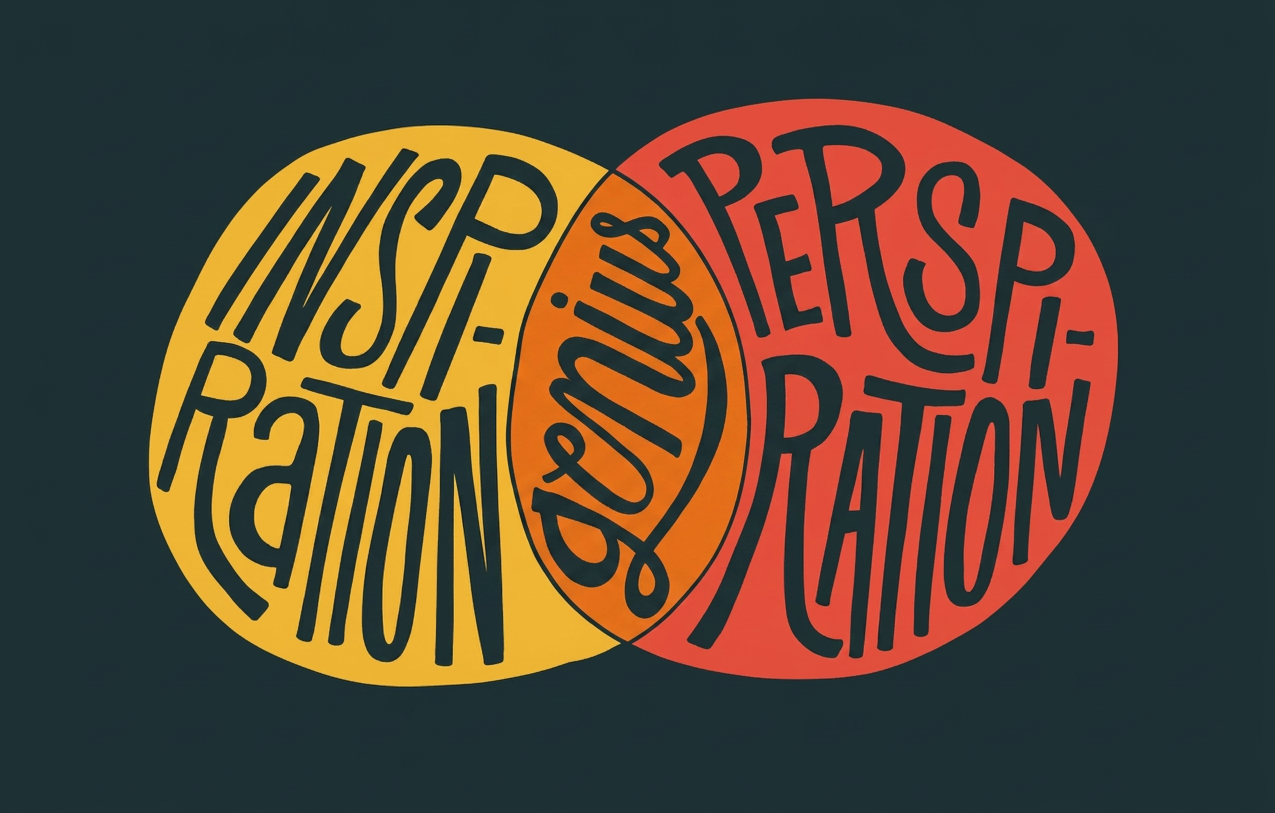
Is It Perspiration or Inspiration?
12/8/2025
There is a certain kind of creative director who refuses to bring any discipline to the process. Ask how an idea came together and the answer is always some version ...

How to Design an Agency Workspace That Supports Both Collaboration and Deep Work
7/30/2025
The open workspace debate has been running in the agency business for decades. It has never been more complicated than it is now, with hybrid and remote work reshaping how ...

A Well-Oiled Machine: Using Agency Culture to Improve Workflow
5/3/2024
One of the biggest challenges a smaller agency faces is the transition between being small, agile and process-light, to having so many people, clients and projects that process becomes a ...
read morePEOs Assume the Burdens of HR Management
2/26/2024
One of the biggest headaches for a smaller agency owner is human resources management. Lets face it… most agency principals did not become business owners to become people managers. They ...
read more
The Single Most Important Factor for Agency Success: ENERGY
2/10/2024
In my opinion, the single most important factor for success in the small- to mid-sized advertising agency business is maintaining a high energy level. High energy transcends almost everything… skill ...
read more
Step by Step: The Workflow Brainstorming Session
6/14/2023
One of the best ways to make sure your daily operating system is in good order is to conduct a workflow brainstorming session with all—or at least most—of ...
read more
Why People Are the Key to Better Workflow
5/6/2023
Now more than ever, efficient workflow is critical to the success of an agency. Without it, even the most creative firm may find itself in a state of chaos.
You ...
read more
Culture Eats System: Making Workflow Work Through Culture
2/8/2023
At Second Wind, we regularly work with members whose agencies need to have better daily operating and workflow systems. Over the years, we have been involved with very fast-growing agencies ...
read more
Eight Ways to Keep Your Great Agency Employees
9/1/2022
Through years of consulting, we've come to know the signs of an agency with good vibes. There are numerous long-term employees, and there is a culture where the people ...
read more
What Agency Culture Are You?
5/31/2022
We often talk about the agency brand, and a big part of brand is your agency culture. No, we don’t mean that green stuff growing on last week’s ...
read more
How Real Are Your Agency Values?
5/24/2022
Culture can be a tough nut to crack. You can devote a long time to brand development, fully involving your employees and customers; carefully craft mission and vision statements; and ...
read more
Culture Doesn’t Happen According to a Plan
5/17/2022
We write often about the importance of a strong agency culture. Culture in an organization is comprised of many elements. It begins with having a vision for what you want ...
read more
Ten Things Every Employer Deserves
5/11/2022
The employer-employee relationship is a two-way street. Just as employees know they have certain rights, privileges and benefits, employers also have a right to expect certain things of their employees ...
read more
Today’s Marketing Success Means Failing Forward
2/15/2022
Like many trendy phrases, “failing forward” gets tossed around quite a bit in marketing and advertising blogs, trade mags and industry interviews. I’m seriously thinking of adding it to ...
read more


Second Wind
PO Box 6284
Wyomissing, PA 19610
P: 610-374-9093
info@secondwindonline.com
© Second Wind
PO Box 6284
Wyomissing, PA 19610
P: 610-374-9093
info@secondwindonline.com
© Second Wind