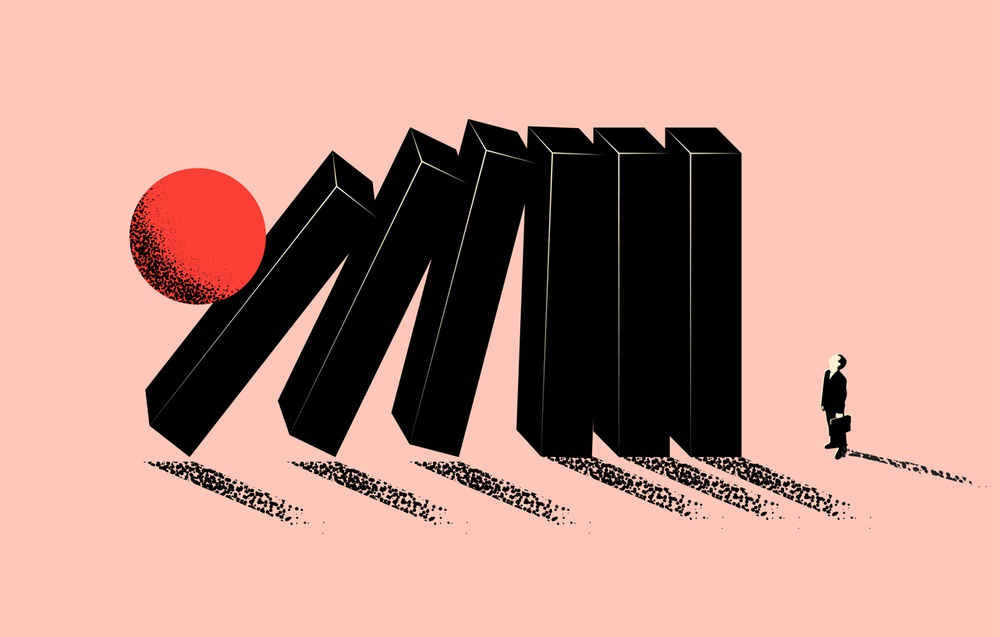
People seldom like to think about the impact of a disaster or crisis on their business. It is human nature to optimistically ignore that possibility until it hits square in the face. That is no time to be caught without a plan.
Consider whether your agency is ready to face the crises that could genuinely harm your business. Anything that disrupts your ability to operate, damages your reputation, or affects your bottom line qualifies. Crises range from losing a major client or a key employee to cash flow problems, technology failures, and cybersecurity breaches, up to real disasters like a fire, flood, or storm. Having a plan allows you and your staff to respond with calm, deliberate measures rather than reacting emotionally and compounding the damage.
Adhering to agency best practices can save your bacon time and again. The following practices will help your agency cope with whatever crises come along, and perhaps avoid some of them altogether.
Best Practices to Help Your Agency Survive the Storm
Finances. Any business can face occasional financial difficulty. The agencies that weather it best are the ones monitoring their financial health consistently, not just when something feels wrong. Run the agency on an accrual basis, insist on a formal end-of-month close, and bill clients progressively so you always know where you stand. Maintain a reserve fund or line of credit to cover short-term cash flow gaps. Second Wind's financial resources include detailed guidance on the agency financial practices that protect margins and prevent the worst outcomes.
Human Resources. Your senior account executive quits the week before a major project is due. Work goes on as usual if you have prepared. Never allow one person to be the sole client contact. Build a service team around every account so that more than one person has close ties with the client. The agency principal should maintain top-level client contact as an additional buffer. Hire good people, empower them, encourage them to build new skills, and identify aspiring managers early. When you lose a key person, someone is ready to step up.
New Business Pipeline. Losing a major client is always painful. You can ease the recovery by maintaining an active new business pipeline before the loss happens, not after. Keep a prioritized list of companies you want to work with. Meet regularly to plan outreach and generate ideas for staying in front of those prospects. An organized pipeline means you replace an exiting client deliberately rather than desperately accepting whatever comes along.
Agency Self-Promotion. Keep your agency brand visible to clients and prospects consistently. Publish content relevant to client and prospect interests across your website, LinkedIn, and the social channels where your audience actually spends time. Stay current on SEO and GEO so your content and site are discoverable. Use PR to build credibility beyond your owned channels. Strong, consistent self-promotion supports the new business pipeline and keeps the agency top of mind when opportunities arise.
Creativity. Clients turn to their agencies first for creative thinking. Make hiring and nurturing creative talent a priority. Make sure everyone in the agency understands that only great work is acceptable. Share research so creatives understand each client's business before they start. Encourage brainstorming throughout the creative process. Display completed work for internal comment and review. Everyone works harder when they know their work will be seen by their colleagues. Creative excellence attracts new clients and keeps existing ones.
Client Relationships. Procedures for holding onto existing clients are as important as processes for winning new ones. Good client relationships provide stability and predictable cash flow. Assign a senior manager to every account alongside the AE and keep them current on account activity. Bring ideas and progress updates to every client meeting so clients see active, ongoing effort on their behalf. The tighter the client bonds, the less likely you are to lose clients unexpectedly.
Technology, Systems, and Cybersecurity. Keep systems and technology current. Back up critical files regularly, with copies stored off-site or in the cloud, so a fire, flood, or hardware failure does not take the agency's institutional memory with it. Have an on-call technical support contact and keep that contact information accessible outside your primary systems.
Cybersecurity deserves its own attention. Agency data, including client files, financial records, and proprietary creative assets, is a target. Phishing attacks, ransomware, and data breaches are not hypothetical risks for small agencies. They are documented, recurring events. Basic protections include strong password protocols, two-factor authentication, staff training on phishing recognition, and a clear plan for what happens if a breach occurs.
Continuity Planning. Make concrete plans to keep the agency running if a real disaster occurs. Floods, fires, severe weather events, and extended power outages force agencies into emergency operations every year. Recent years have also demonstrated that extended disruptions, including public health crises, supply chain failures, and economic shocks, can arrive without warning and last far longer than anyone plans for. Agencies that had remote infrastructure, documented processes, and strong client communication habits already in place recovered faster and lost fewer clients than those that had to build those capabilities under pressure.
Know in advance: who calls whom, where remote operations will be set up, how clients will be notified, and how work will continue. For most agencies today, remote operations are already part of daily life, which makes continuity planning more achievable than it once was. Use that infrastructure deliberately. Having a plan means you will not be scrambling to save the business at the worst possible moment. You may even be able to help clients build their own continuity plans.
AI Disruption. The rapid adoption of AI tools is creating a new category of agency crisis: talent displacement, client expectations that outpace agency capabilities, and competitive pressure from clients who believe they can do more in-house. Agencies that are not actively building AI fluency into their operations and service offerings risk being caught flat-footed as client demands shift. This is not a future risk. It is a current one. Build it into your planning now.
Begin taking steps today. Disaster strikes when least expected. Preparation does not prevent every crisis, but it limits the damage and keeps the agency in control of its own story.


