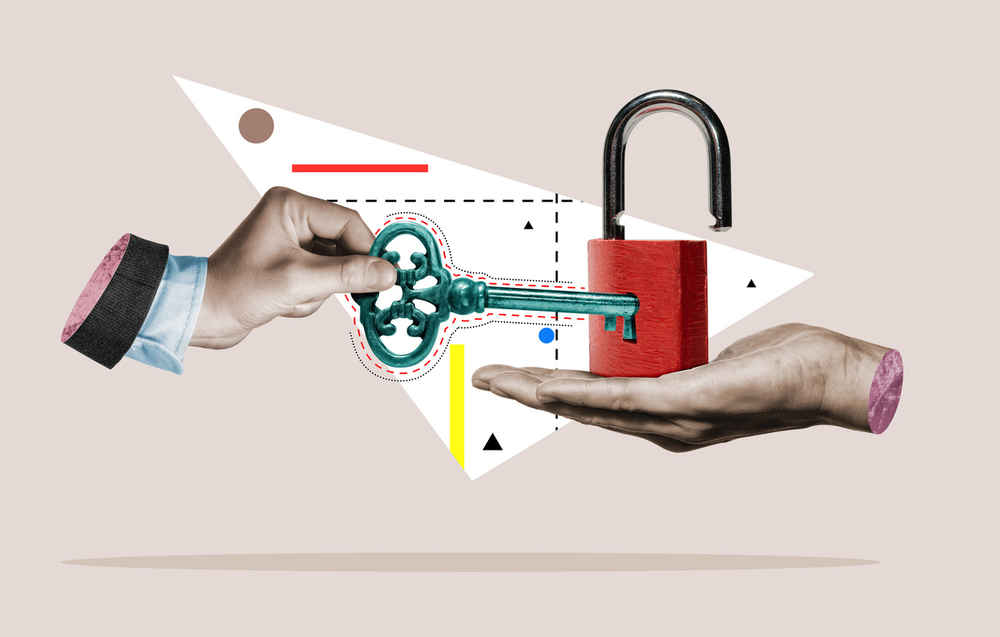
We need to "hack" human behavior to succeed in advertising.
It's a word that gets thrown around in creative circles, and for good reason. "Hack" in this context doesn't mean breaking anything. It means gaining access. Understanding the intricacies of human nature well enough to communicate with people in a way that is natural, highly relatable, and engenders a strong, almost visceral, positive response.
Much of advertising today is either filled with self-aggrandizing behavior, which leads to hyperbole of the highest degree; or is so post-modern and filled with its own grandeur that only a few really understand what the creators meant to say.
That's not the way people think, and it's not the way to reach them in a world where the consumer has almost complete control of what they will watch, listen to or read.
So, what are the three most important keys to hacking human behavior? These are all things you and your creatives need to keep in mind as you develop work for clients. These keys are eons old, and yet as current as this second.
Why? Because human behavior seldom changes.
Post these near your desktop and keep them firmly in mind as you create.
It's all about "me"
In order for an ad to work, it has to deal with the question asked by almost everyone: "What's in this for me?" It's about the benefits of a product or service, not the features. Not what the product is. What the product does for the person holding it.
Good for the world
Today's consumers, particularly younger ones, respond to brands that serve not only themselves but add to the greater good. Ads that speak to this are hacking human behavior by tapping into a genuine and growing interest in making the world a better place. The catch: it has to be real. Consumers have become very good at detecting purpose-washing, and they punish it. Help your clients build brands that actually give back, not just ones that say they do.
I'm in the group
Tribalism is 10,000 years old. It really hasn't gone away. Whether it's the Eagles, the Lakers, a neighborhood, a Discord server, or a creator's fanbase with millions of followers, people organize around shared identity. That's the engine. This fits very snugly into the idea that brands need to be a part of a community. Today, we don't so much build brands as create "tribes" around those brands.
Don't take this article lightly. It may not be super-scientific, but the insights here are worth their weight in gold to the creative nature of your agency. How can you hack human behavior today?


